Discover Your Creative Potential: Engaging Sewing Courses for All Skill Levels
Expressing creativity through sewing offers an accessible outlet for self-expression. Engaging lessons accommodate all skill levels, from novices to seasoned sewists. Each session introduces essential tools and techniques, fostering a supportive environment. Participants can explore various projects that ignite their imagination. As they develop, they might consider how to deepen their expertise or sustain their enthusiasm. This path inspires them to uncover what exists beyond the essentials.
Essential Tools Every Sewist Should Have
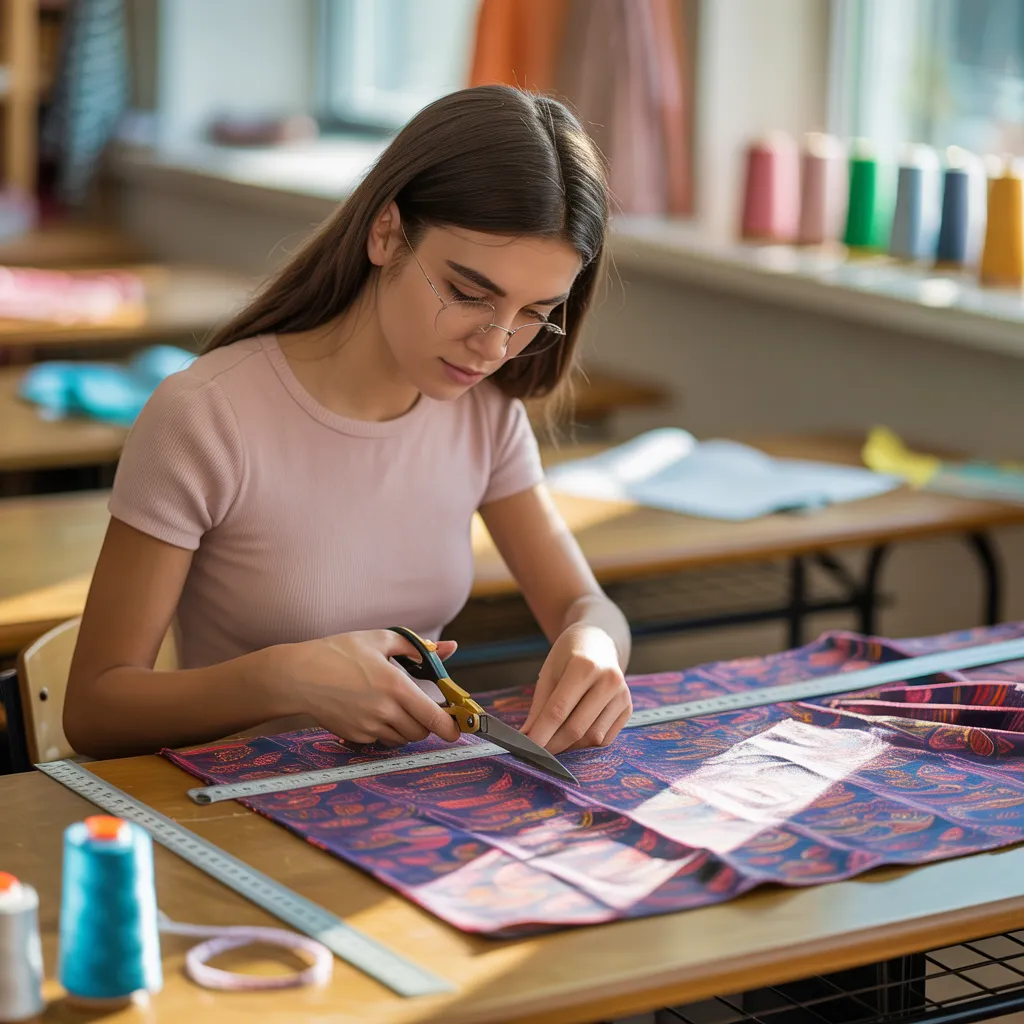
A properly stocked sewing kit forms the basis of every successful project. Key tools serve a vital role in guaranteeing both efficiency and quality. At the core of every kit lies a reliable pair of fabric scissors, designed to provide clean cuts without fraying. Furthermore, a rotary cutter provides accuracy when working on detailed designs. Measurement instruments, like a tape measure and a clear ruler, prove indispensable for ensuring accurate dimensions and proper seam allowances.
A pincushion and pins are invaluable for keeping fabric secure, while a selection of needles caters to a wide range of fabrics. Thread in multiple colors provides flexibility and imaginative possibilities. A seam ripper, while frequently underestimated, is essential for remedying sewing mistakes. Finally, an iron and ironing board are critical for achieving crisp seams and polished finishes. By assembling these fundamental tools, every sewist can begin their creative journey with assurance.
Introductory Sewing Techniques for Beginners
Armed with the proper tools, beginners can confidently start on their sewing journey by mastering basic techniques. Fundamental skills such as threading a needle, tying knots, and understanding sewing machine operations are crucial. Understanding how to sew a straight line is significant, as it serves as the basis for more advanced work.
Newcomers should also become acquainted with various stitch varieties, such as straight stitches and zigzag stitches, which serve various purposes. In addition, mastering correct fabric handling methods, such as pinning and pressing, enhances accuracy and finish.
Mastering accurate fabric cutting and pattern reading is vital for achieving successful results. Elementary practices like backstitching for reinforcement and using seam allowances can significantly enhance the quality of work.
Sewing Ideas to Ignite Your Creativity
Embracing creativity through sewing projects can transform basic skills into artistic expressions. Participating in diverse sewing endeavors enables people to expand their creative horizons while refining their skills. Straightforward creations like tote bags or decorative pillow covers make for ideal beginner projects, enabling sewers to experiment with fabrics and patterns.
For those seeking a challenge, custom clothing or patchwork quilts can spark a profound sense of creativity. Such projects not only deliver a feeling of accomplishment but also invite personal touches, like one-of-a-kind color schemes and embellishments.
In addition, converting old fabrics into innovative creations inspires originality and sustainable practices, making sewing both a creative outlet and an environmentally friendly practice.
Via these wide-ranging projects, sewists can explore their individual inclinations and cultivate their personal aesthetic, thus building a stronger respect for the sewing arts. Such undertakings can encourage continued growth and creative expression throughout the sewing experience.
Advanced Sewing Skills to Enhance Your Craft
Elevating sewing skills involves mastering intermediate techniques that refine both usability and appearance. These abilities help sewists to craft garments and creations that demonstrate a superior standard of skill. One essential method is the use of pleats and darts, which can manipulate fabric to achieve a more precise fit. Furthermore, understanding how to skillfully construct zipper closures can convert simple designs into polished pieces.
One other useful method involves working with bias binding, which delivers smooth, refined edges on different types of projects. Sewists can also experiment with various stitching options, such as ornamental or zigzag stitch patterns, to introduce creative embellishments. Learning to create buttonholes with precision not only improves functionality but also elevates the visual appeal of a project. Through the application of these mid-level skills, sewists can elevate their work, resulting in more professional and visually appealing creations.
Advanced Skills to Master in Sewing
Within the realm of sewing, developing advanced techniques is crucial for those seeking to elevate their abilities. Primary areas of emphasis include exact pattern cutting, advanced stitching methods, and creative fabric manipulation methods. These elements not only enhance the quality of the finished product but also expand a sewist's creative possibilities.
Exact Pattern Cutting
Even though many sewers emphasize fabric and stitching above all else, developing precision pattern cutting skills is just as important for producing professional-quality garments. This method requires meticulously measuring and cutting patterns to ensure accuracy and consistency, which directly influences the final fit and appearance of the garment. Exact pattern cutting necessitates not only the appropriate tools, like sharp rotary cutters and rulers, but also a sharp eye for detail. Sewers should develop an understanding of seam allowances and fabric grain, as these factors can considerably impact the final outcome. By honing these abilities, sewers can improve their artistry, yielding garments that are both elegantly finished and precisely fitted. Ultimately, precision in pattern cutting lays the foundation for successful sewing projects.
Professional Stitching Approaches
Mastering advanced stitching techniques elevates standard needlework tasks connected information into remarkable works of artistry. These approaches, among them the application of a double needle for uniform thread placement, enhance the visual appeal and durability of clothing pieces. Moreover, becoming skilled in approaches including French seams and flat-felled seams elevates the finish, providing a professional touch that is often sought after. Incorporating artistic stitch patterns, like decorative zigzag and heirloom designs, can bring distinctive character to each creation while providing practical benefits. Recognizing the subtleties within tension adjustments and thread types additionally enhances the sewing experience, allowing crafters to attain their intended outcomes reliably. Through adopting these advanced techniques, crafters can expand their abilities, thereby increasing their artistic potential and enhancing their needlework pursuits.
Fabric Manipulation Strategies
Investigating fabric manipulation techniques helps artisans to enhance their projects through innovative techniques that improve dimension and form. Approaches such as gathering, pleating, and tucking enable artisans to introduce depth and intricacy to their creations. Furthermore, fabric layering and draping can create striking silhouettes, while methods like smocking and quilting introduce both aesthetic appeal and lasting durability. Advanced sewers may also experiment with methods like diagonal cutting to change how the fabric falls, or use thermal manipulation to produce unique finishes. By perfecting these strategies, individuals can considerably improve their sewing projects, enabling artistic flair and personal expression in every stitch. Incorporating these approaches not only develops sewing skills but also fosters artistic growth in the art of sewing.
Staying Inspired: Tips for Your Sewing Journey
How does a sewist keep their enthusiasm alive throughout their sewing journey? Motivation frequently shifts and changes, making it essential to cultivate a nurturing environment. Building relationships with other sewists through classes or virtual groups can generate innovative ideas and deliver valuable support. Furthermore, establishing realistic objectives can nurture a feeling of achievement and promote ongoing growth.
Investigating diverse techniques and patterns can additionally keep enthusiasm for the craft alive, as experimenting with different materials or styles may spark renewed interest. Consistently reflecting on earlier creations can remind sewists of their growth and restore their enthusiasm.
Moreover, having a set-aside crafting space can provide a purposeful zone for creativity, without distractions. To conclude, taking breaks when needed is essential; taking time away can result in renewed perspectives. By incorporating these approaches, those who sew can maintain their enthusiasm and enjoy a rewarding and dynamic crafting journey.
Common Questions and Answers
How Do I Resolve Common Sewing Machine Problems?
To resolve frequent sewing machine problems, you should inspect the threading, clear out the bobbin area, swap out worn needles, adjust tension settings, and confirm proper fabric feeding. Regular maintenance can prevent many problems from arising.
What Kinds of Fabric Work Best for Beginners?
Flannel, cotton, and muslin are perfect materials for novice sewers. These fabrics are simple to work with, tolerant of errors, and readily accessible. The flexibility of these fabrics lets novice sewers experiment with multiple techniques without encountering excessive difficulties.
How Can I Select the Best Sewing Patterns?
Picking the right sewing patterns involves evaluating skill level, project complexity, and personal style. Beginners should opt for simple designs featuring clear instructions, while experienced sewists can experiment with more intricate patterns that challenge their abilities and creativity.
Can I Sew Without a Sewing Machine?
Certainly, it is possible to sew without a sewing machine. Hand sewing provides flexibility and precision, making possible intricate designs. Basic tools, like needles and thread, support numerous types of projects, ensuring accessibility for all skill levels.
What Are Some Eco-Friendly Sewing Practices?
Eco-friendly sewing practices involve using organic fabrics, reusing existing fabrics, minimizing waste through efficient cutting, choosing plant-based dyes, and using responsibly sourced thread. These approaches promote environmental responsibility while cultivating imaginative problem-solving in fabric crafting initiatives.